
Wet-on-Wet Application
Apply paint to a wet surface to create soft, flowing blends. This technique produces atmospheric effects perfect for skies, water, and backgrounds. Control the amount of water and timing to achieve desired color interactions.
Learn about watercolor painting through systematic exploration of fundamental and advanced techniques. Each method offers various possibilities for artistic expression and creative exploration.
Apply paint to a wet surface to create soft, flowing blends. This technique produces atmospheric effects perfect for skies, water, and backgrounds. Control the amount of water and timing to achieve desired color interactions.
Use minimal water to create texture and detail. Ideal for adding fine lines, textures, and highlights. The dry brush technique allows precise control and works excellently for creating contrast and definition.
Build depth through transparent layers applied over dry paint. Glazing creates rich, complex colors and subtle value transitions. Plan your layers carefully to achieve luminous, vibrant results.
Create smooth color transitions from dark to light or between colors. Master the gradient wash for skies, water, and large area coverage. Practice consistent water and paint ratios for even results.
Remove paint to create highlights, correct mistakes, or add texture. Use clean brushes, sponges, or paper towels to lift wet or dry paint. This technique offers flexibility and creative problem-solving options.
Add texture using salt, plastic wrap, or other materials while paint is wet. These techniques create organic patterns and interesting surface effects that enhance your artistic expression.
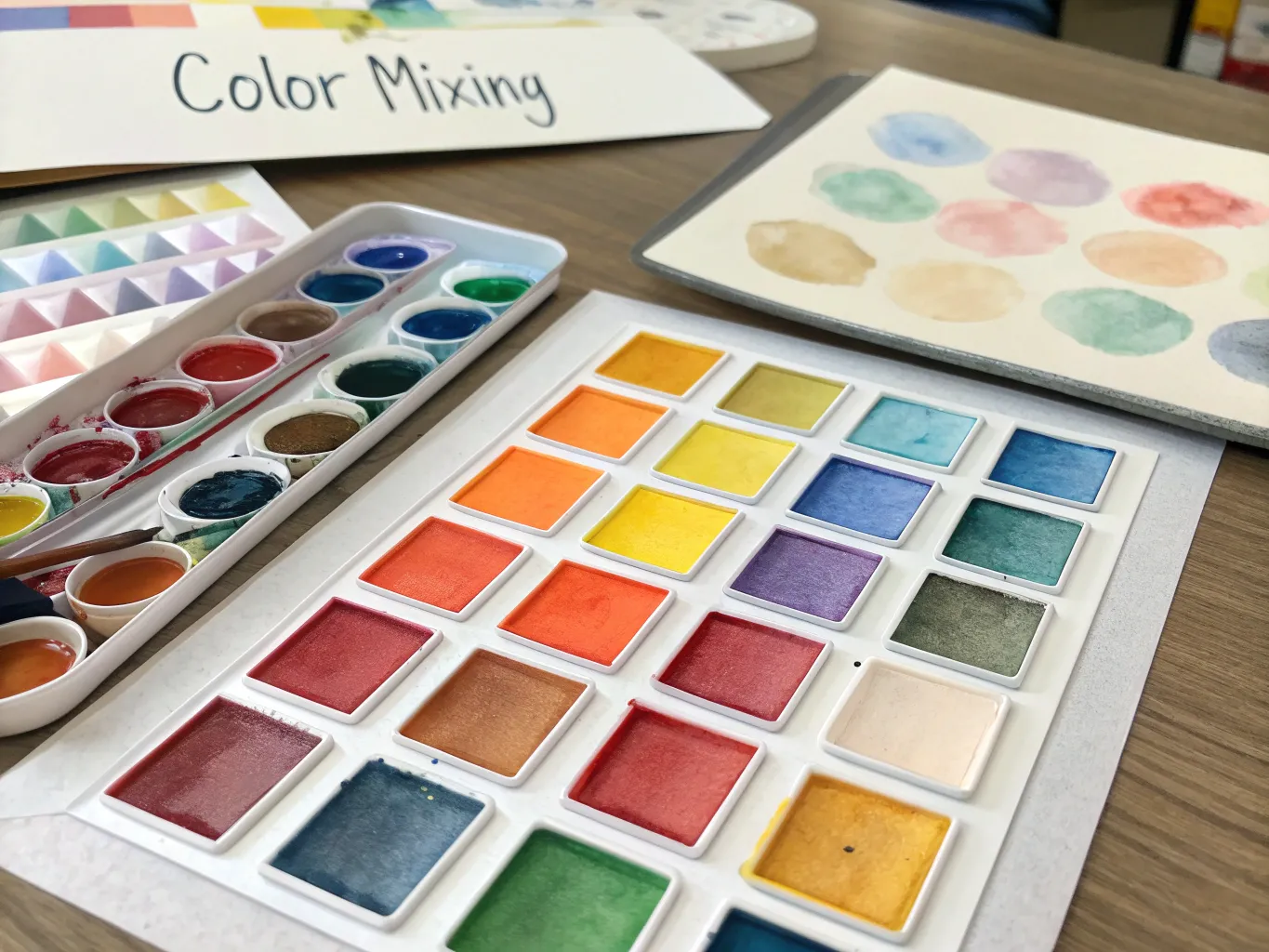
Understanding color relationships is essential for successful watercolor painting. Learn to mix primary colors to create secondary and tertiary hues. Practice creating value scales and understanding how colors interact when layered.
Watercolor's transparency means that mixing on the palette differs from mixing on paper. Experiment with both approaches to understand how colors behave in different contexts. Develop your color intuition through regular practice and observation.
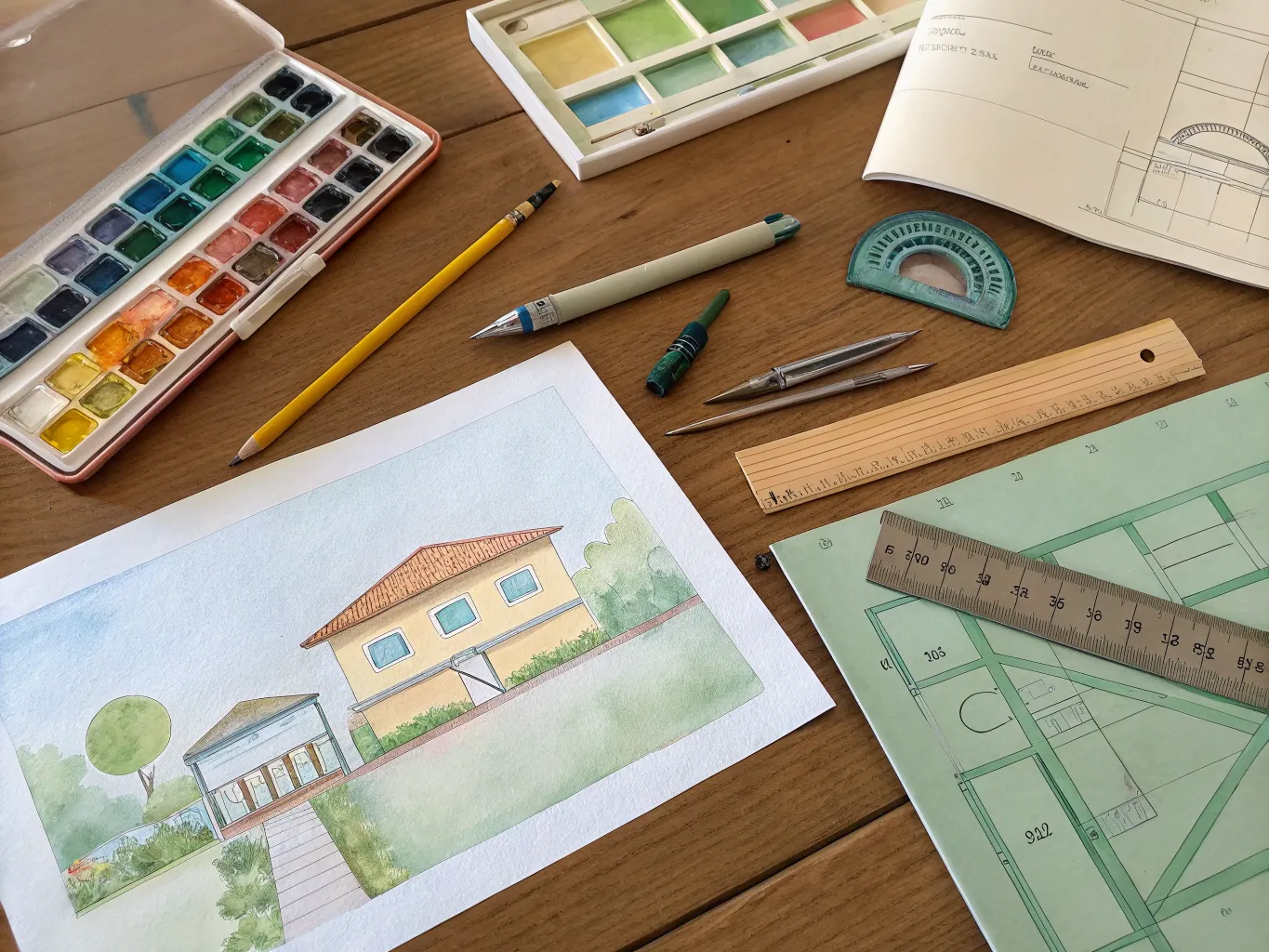
Effective watercolor paintings begin with thoughtful composition. Plan your light and dark areas, considering how white paper will function as highlights. Sketch lightly to guide your painting without interfering with the transparent nature of watercolor.
Consider the order of operations: work from light to dark, background to foreground. Preserve white areas strategically, either by painting around them or using masking techniques. Develop your ability to see the big picture while maintaining attention to detail.
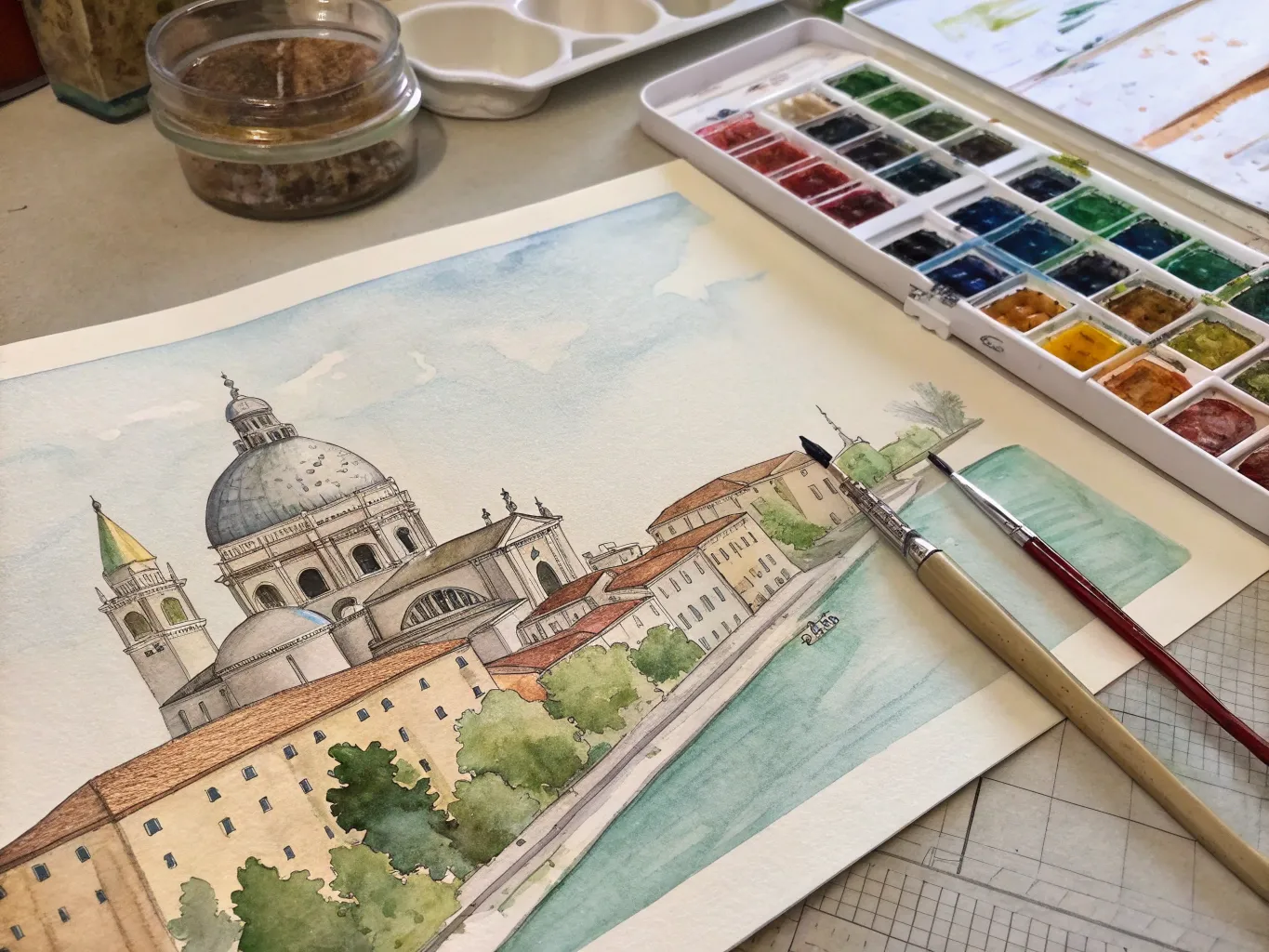
Combine multiple techniques to create complex, expressive paintings. Learn when to use wet-on-wet for soft edges and when dry brush provides needed definition. Develop understanding of the balance between control and spontaneity that makes watercolor unique.
Develop your personal style through experimentation with different technique combinations. Regular practice can help build familiarity with how watercolor behaves. Each painting experience offers opportunities to learn about the medium's possibilities.
Practice creating smooth, even washes by loading your brush with plenty of paint and water. Work quickly and consistently, maintaining a wet edge as you move across the paper.
Start with flat washes, then progress to graded washes where color transitions from dark to light. Develop these fundamental skills before exploring more complex techniques.
Create color charts to understand how your paints behave when mixed. Test combinations of primary colors to see the range of secondary and tertiary hues you can achieve.
Document your color mixing experiments in a sketchbook. This reference will become invaluable as you develop your painting style and color palette preferences.
Experiment with different methods of creating texture: salt, plastic wrap, sponging, and lifting techniques. Each method produces unique effects that can enhance your paintings.
Practice on scrap paper first to understand how each technique works before incorporating them into finished artwork. Timing and moisture levels are crucial for success.
Muddy Colors
Prevent muddy colors by avoiding over-mixing and using clean water. Let colors blend naturally on the paper rather than mixing too much on your palette.
Paper Warping
Stretch your paper before painting or use heavier weight paper. Tape paper to a board while wet to prevent warping as it dries.
Unwanted Blooms
Control blooms by managing water levels carefully. Work from light to dark and allow layers to dry completely before adding new paint.
Start with our material guide to ensure you have the right tools, then practice these techniques to develop your watercolor painting skills.
Material Guide