Brush & Paper Guide

Selecting the right brushes and paper is fundamental to successful watercolor painting. This guide helps you understand the characteristics of different materials and make informed choices for your artistic practice.

  • Understanding Brush Types

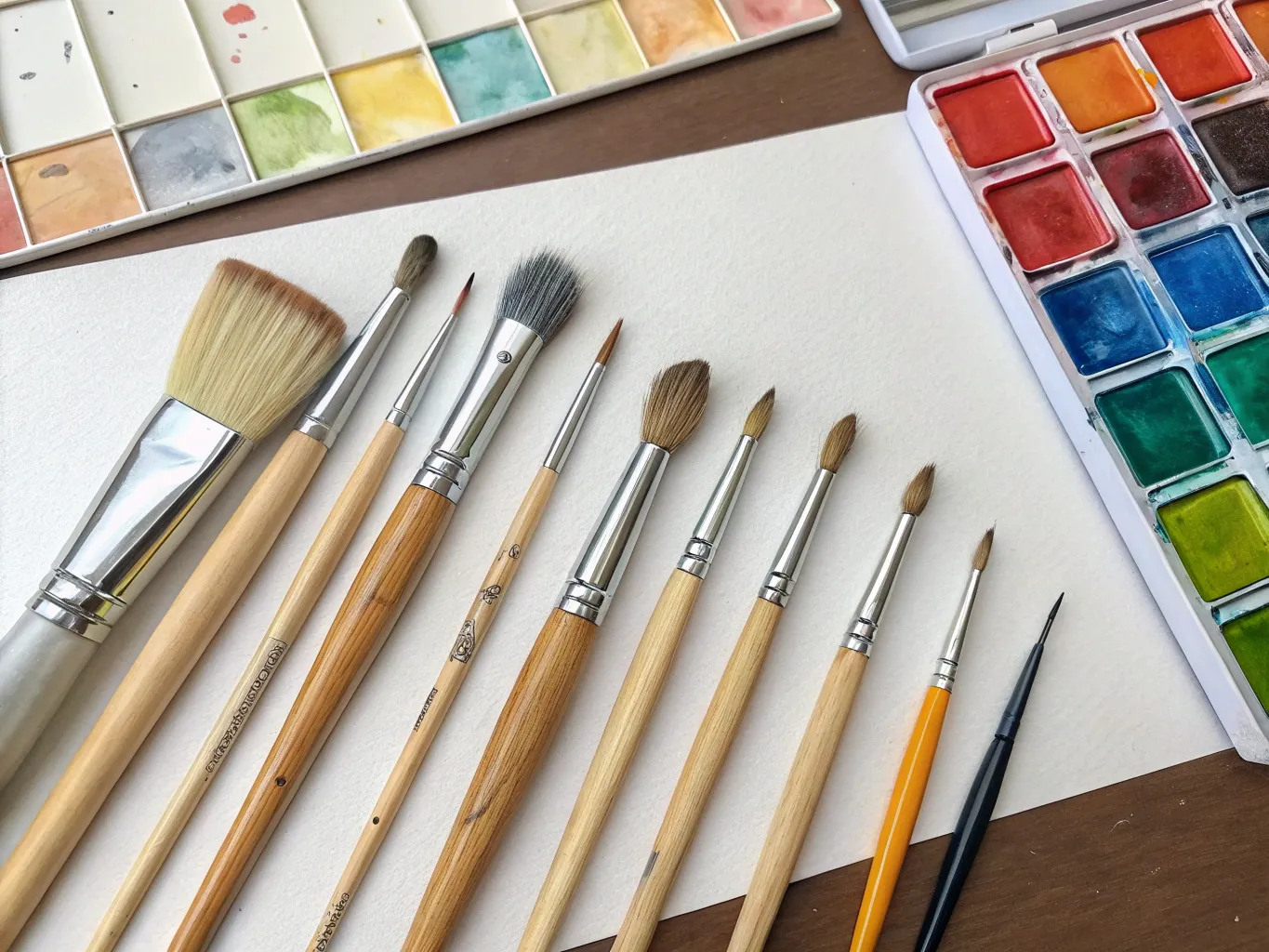
    Watercolor brushes come in various shapes and materials, each suited to different painting techniques. Round brushes are versatile and essential for most work, allowing you to create both fine lines and broad strokes depending on pressure application.

    Flat brushes excel at covering large areas and creating sharp edges. Mop brushes hold substantial water and pigment, making them ideal for wet-on-wet techniques and creating soft backgrounds. Detail brushes with fine points enable precise work in small areas.

    Natural hair brushes, such as sable or squirrel, offer superior water retention and smooth paint application. Synthetic brushes provide durability and consistent performance at a lower cost, making them excellent for beginners and practice work.

    Various watercolor brushes arranged showing different shapes and sizes
  • Paper Weight and Texture

    Watercolor paper weight, measured in pounds or grams per square meter, directly affects how the paper responds to water. Heavier papers, typically 300gsm or higher, can handle more water without warping and are suitable for wet techniques and multiple washes.

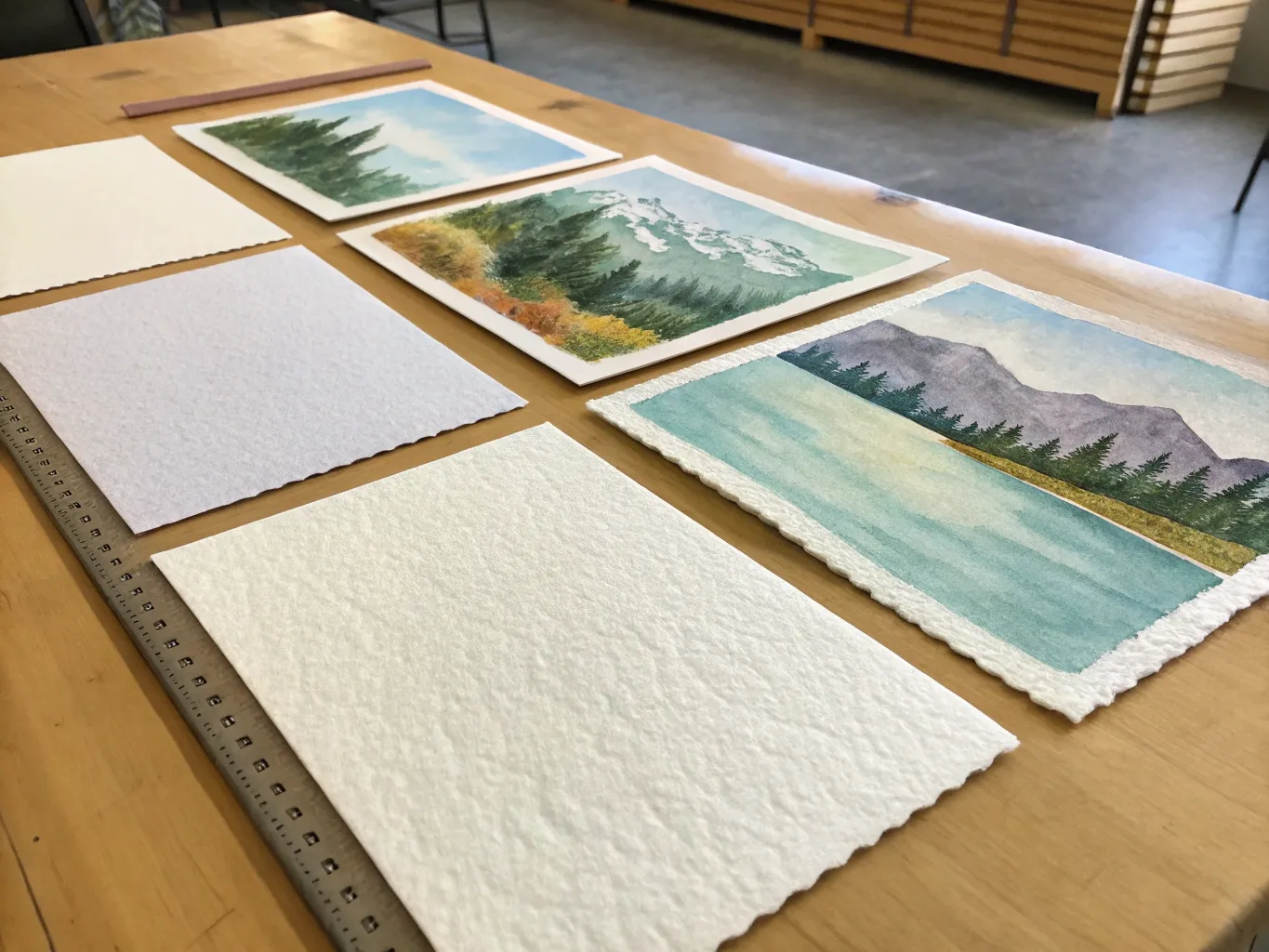
    Paper texture comes in three main categories: hot-pressed (smooth), cold-pressed (medium texture), and rough. Hot-pressed paper provides a smooth surface ideal for detailed work and fine lines. Cold-pressed paper offers a balanced texture that works well for most techniques.

    Rough paper has pronounced texture that adds character to paintings and works beautifully for expressive, loose styles. The texture affects how paint settles and how colors interact, so choosing the right surface enhances your artistic expression.

    Different watercolor paper textures and weights displayed side by side
  • Quality Factors and Selection Tips

    High-quality watercolor paper is made from cotton fiber, which provides superior durability, color retention, and resistance to yellowing over time. Student-grade papers often use wood pulp and are more affordable but may degrade faster.

    When selecting brushes, consider the spring and snap of the bristles. A good brush should return to its original shape after being pressed. The ferrule connection should be secure, and the handle should feel comfortable during extended painting sessions.

    For beginners, start with a basic set of round brushes in sizes 2, 6, and 12, along with one flat brush. Choose cold-pressed paper in 300gsm weight as a versatile starting point. As you develop your style, you can expand your collection based on your specific needs and preferences.

    Professional watercolor materials arranged on artist's workspace

Material Care & Maintenance

Brush Care

Proper brush maintenance extends their lifespan and ensures consistent performance. Clean brushes immediately after use, reshape the bristles, and store them horizontally or with the bristles facing up.

Never leave brushes standing in water, as this can damage the ferrule and cause bristles to splay. Use gentle soap for deep cleaning when needed.

Paper Storage

Store watercolor paper flat in a dry, cool environment to prevent warping and deterioration. Keep paper away from direct sunlight and moisture to maintain its quality and prevent yellowing.

For long-term storage, consider using acid-free folders or portfolios. Always handle paper by the edges to avoid transferring oils from your hands.

Paint Organization

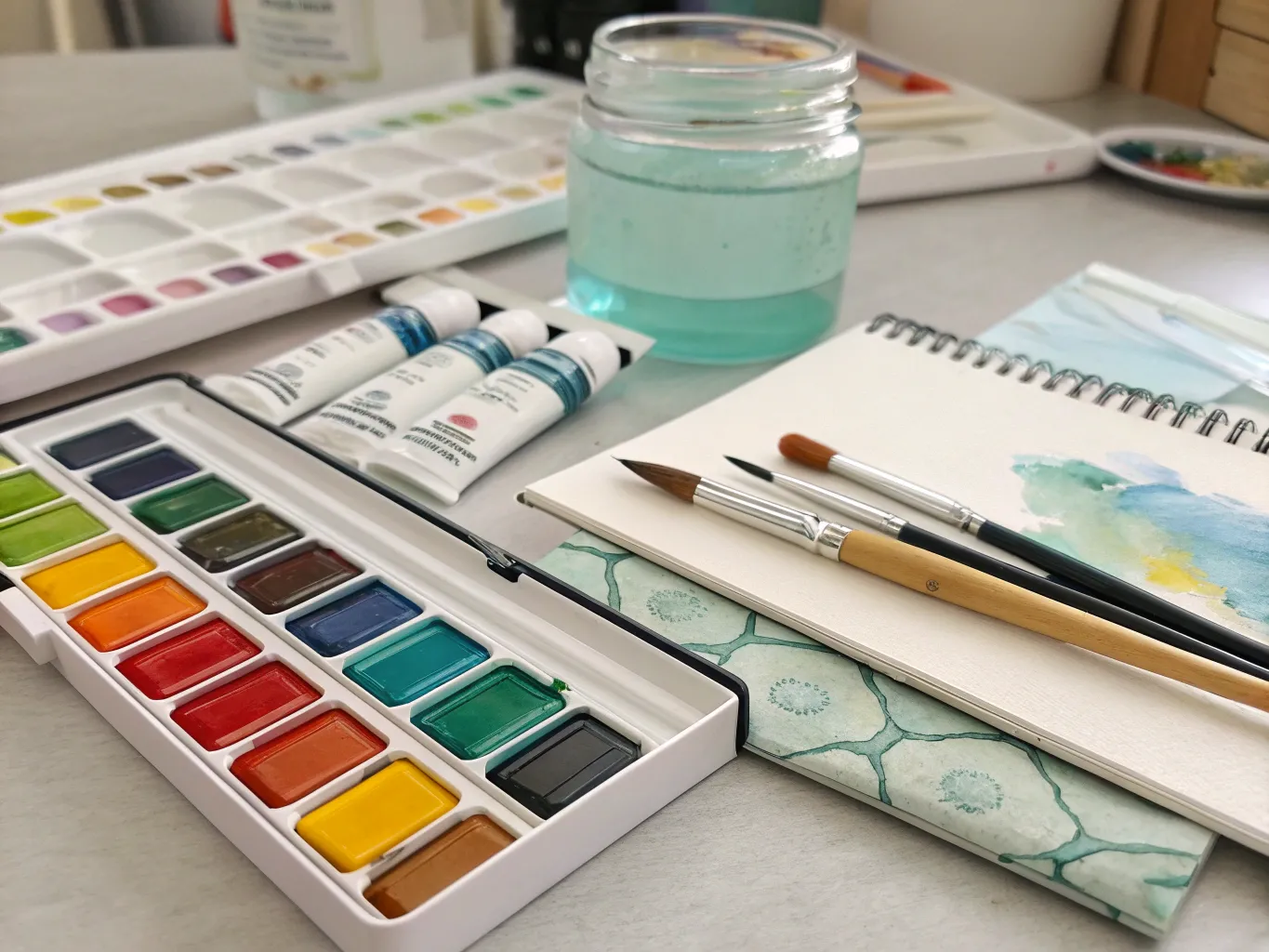
Organize your palette to maintain color consistency and make mixing more intuitive. Group colors by temperature or create a logical arrangement that matches your painting style.

Keep paints covered when not in use to prevent drying. Clean your palette regularly to avoid color contamination and maintain the purity of your mixtures.

Expert Tips

Consider investing in quality materials. While student-grade supplies are budget-friendly, professional-grade materials may offer improved color intensity, durability, and overall painting experience. Material quality is one factor that can influence your learning experience.

Quality Matters

Proper Care

Experiment Freely


Ready to Explore Techniques?

Now that you understand materials, discover how to use them effectively through our comprehensive technique tutorials.

View Techniques